How to Secure Your Mobile App Against Common Vulnerabilities
- By admin
- Sep 09, 2025

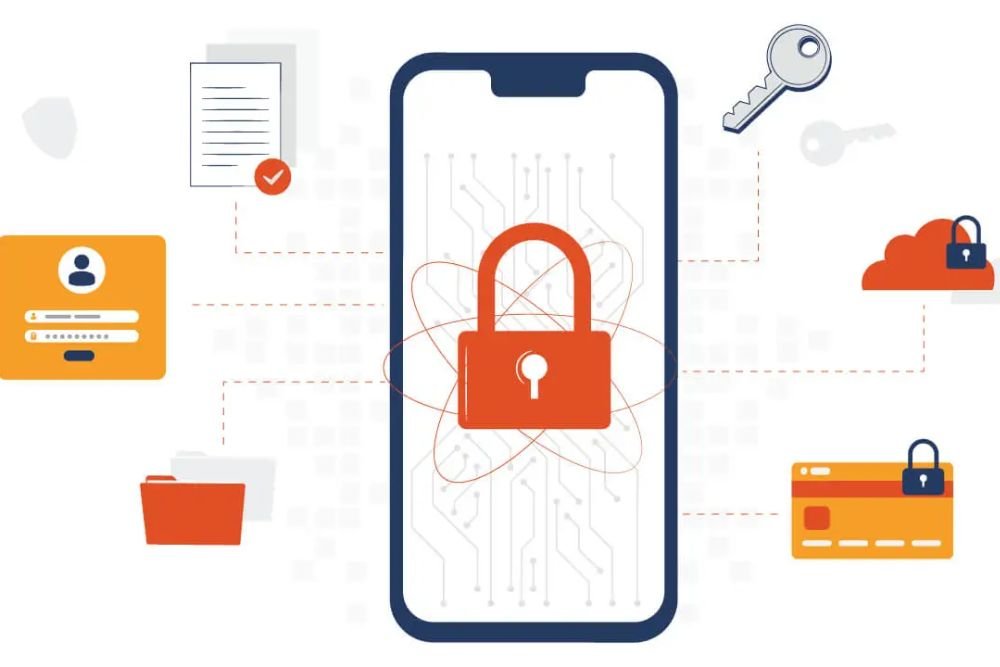
Mobile app security is a mess for most devs. Everyone’s in a rush to launch features, hit deadlines, and impress stakeholders. Security? That’s “Phase 2,” if it even happens.
But here’s the truth — your app is a target the moment it hits the app store. Hackers aren’t waiting for you to patch things up in version 2.0. They’re already poking around version 1.0.
If you’re building or maintaining a mobile app, here’s what you need to watch out for — and how to secure your mobile app against common vulnerabilities — without the corporate fluff.
Talking about securing your mobile app against common vulnerabilities, if you’re storing passwords, access tokens, or personal data directly on the device — especially in plain text — you’re basically handing it over to anyone with basic reverse engineering skills.
What to do:
HTTPS is good, but it’s not a silver bullet. If your backend doesn’t validate input properly or lets users do things they shouldn’t, attackers will find out — fast.
What to fix:
You’d be shocked at how many apps have keys just sitting in the code. Anyone with a decompiler can find them in under five minutes. Don’t be that app.
Instead:
Login screens aren’t enough. If you’re using outdated auth flows, keeping users logged in forever, or not rotating tokens, you’re opening the door wide.
Do this:
Logging data? Sending sensitive info in requests? Not validating SSL properly? These are the kinds of mistakes that’ll come back to haunt you.
Fix it:
Apple and Google give you tools. Most devs ignore them. That’s a waste, and it leaves you exposed.
Talking about securing your mobile app against common vulnerabilities, old libraries = old bugs = known vulnerabilities. And yes, attackers do check your app’s libraries. Especially common SDKs and analytics tools.
Stay current:
Talking about securing your mobile app against common vulnerabilities, you can’t secure what you don’t understand. Penetration testing isn’t just for enterprises. You should be breaking your app to see how easy it is to hack.
When it comes to securing your mobile app against common vulnerabilities, you don’t need to build Fort Knox, but you do need to get the basics right. Most security breaches don’t rely on zero-day exploits—they target avoidable mistakes like weak data storage, poor token management, and hardcoded secrets.
Start there.
At WebTechnomind, we believe security should be a part of your development process by default, not a last-minute fix. From the first line of code to deployment, make secure coding a habit, not an afterthought.
Build fast, but build smart. WebTechnomind, the best Flutter App Development company in Kolkata, is here to help you do both.




In the fast-paced logistics industry, speed, accuracy, and customer communication are critical to business success. Whether you manage...

In today’s digital-first economy, businesses across New York are investing heavily in mobile apps, web applications, and custom...

In today’s digital-first world, mobile applications have become a powerful tool for business growth, customer engagement, and brand...

Imagine slashing your app development budget by nearly 40% while launching on both iOS and Android simultaneously—that is...